

How to Measure for Roman Blinds the Right Way
Autor: Laura Jorge
5 Minute(s) to read / 29.4.2026


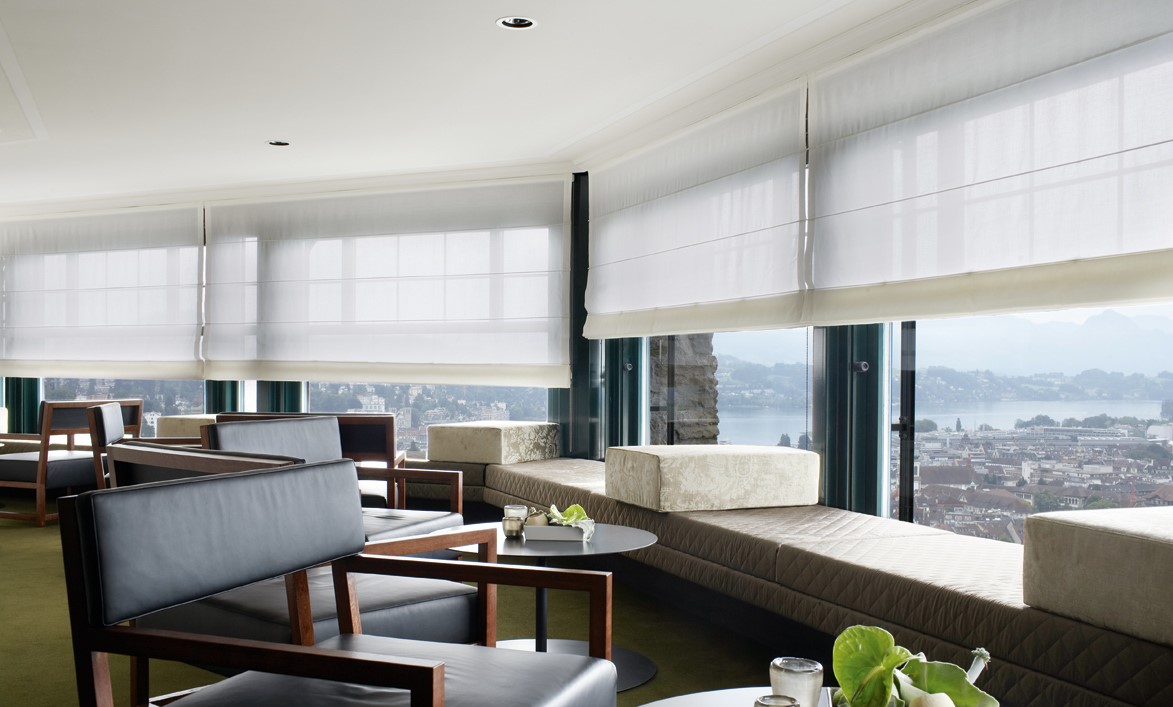
Roman blinds are a timeless and elegant window treatment that can completely transform the look and feel of a room. Whether you’re going for a soft, relaxed aesthetic or a more structured, tailored finish, getting the measurements right is absolutely essential. Even the most luxurious fabric or beautifully crafted blind won’t look good if it doesn’t fit properly. Understanding how to measure Roman blinds correctly is the key to achieving a polished and professional finish.
In this comprehensive guide, you’ll learn exactly how to measure for Roman blinds the right way, avoiding common mistakes and ensuring a flawless result.
Why Accurate Measurements Matter
Measuring for Roman blinds is not just about getting numbers—it’s about ensuring the final result looks polished and functions smoothly. Incorrect measurements can lead to:
- Gaps that let in unwanted light
- Blinds that don’t raise or lower properly
- A visually unbalanced window
- Wasted money on incorrect orders
Taking the time to measure correctly ensures your blinds look custom-made and operate perfectly.
Inside Mount vs Outside Mount: The First Decision
Before you even pick up a measuring tape, you need to decide how your Roman blind will be installed.
Inside Mount (Recess Fit)
This means the blind will sit בתוך the window frame.
Best for:
- A clean, minimal look
- Showcasing window frames or trim
Things to consider:
- Requires a deep enough recess
- Measurements must be precise
Outside Mount (Exact Fit)
This means the blind is mounted outside the window frame, usually on the wall or above the frame.
Best for:
- Blocking more light
- Making windows appear larger
- Hiding uneven or shallow recesses
Tools You’ll Need
Before you begin, gather the right tools:
- Metal measuring tape (more accurate than fabric tape)
- Pencil and paper (or notes app)
- Step ladder (if needed)
- Spirit level (optional but helpful)
How to Measure for an Inside Mount Roman Blind
If you’ve chosen a recess fit, follow these steps carefully.
Step 1: Measure the Width (Top, Middle, Bottom)
Measure the width of the window recess in three places:
- Top
- Middle
- Bottom
Important: Use the smallest measurement. This ensures the blind will fit בתוך the recess without rubbing against the sides.
Step 2: Measure the Height (Left, Center, Right)
Measure the drop in three places:
- Left side
- Center
- Right side
Use the largest measurement to ensure full coverage.
Step 3: Check Depth
Measure the depth of the window recess to confirm there’s enough space for the blind mechanism.
Tip: Most Roman blinds require at least 5–8 cm depth, depending on the design.
How to Measure for an Outside Mount Roman Blind
For an exact fit (outside the frame), the process is slightly different.
Step 1: Measure the Width
Measure the width you want the blind to cover.
Recommended:
Add 10–15 cm (4–6 inches) on each side of the window to:
- Block more light
- Improve privacy
- Create a fuller look
Step 2: Measure the Height
Measure from where the blind will be mounted (usually above the window frame) down to where you want it to end.
Tip:
- Add 15–20 cm above the frame for a more elegant look
- This also makes the window appear taller
Key Measuring Tips for a Perfect Fit
When learning how to measure Roman blinds, accuracy and attention to detail make all the difference. A few simple measuring tips can help you avoid costly mistakes and ensure your blinds fit perfectly and operate smoothly once installed.
- Always Use a Metal Tape Measure: Fabric tapes can stretch and give inaccurate readings.
- Measure to the Nearest Millimeter (or 1/8 inch): Precision matters, especially for inside mounts.
- Double Check Everything: Measure twice (or even three times) before placing an order.
- Don’t Make Deductions Yourself: If ordering from a supplier, they will usually make the necessary adjustments for fittings. Always check their instructions.
- Understanding Stack Height: One often-overlooked factor is the stack height, the amount of space the blind takes up when fully raised.
This depends on:
- Fabric thickness
- Blind length
- Number of folds
If your window is small or you want maximum light, the stacked blind could partially cover the glass even when open.
Dealing with Different Window Types
Some window styles require a little extra attention when measuring Roman blinds. Here are a few important tips to keep in mind for more complex spaces:
Bay windows
Measure each section individually and carefully. Even if they look symmetrical, slight differences in width or depth are very common.
Floor-to-ceiling windows
Consider how far you want the blind to drop visually and whether it will interfere with nearby furniture or radiators.
Doors (e.g., patio or balcony)
Make sure the blind doesn’t obstruct handles, locks, or smooth door movement when opening and closing the door.
Common Mistakes to Avoid
Measuring Roman blinds may seem straightforward, but even small errors can affect the final look and functionality of your window treatment. Taking a few extra minutes to measure carefully can save you time, money, and frustration later on. Here are some of the most common mistakes people make when measuring for Roman blinds:
- Measuring only once: Always measure at least twice to confirm accuracy. Small discrepancies can make a big difference, especially with inside-mounted blinds where precision is essential.
- Using the largest width for inside mounts: For inside mounts, you should always use the narrowest width measurement to ensure the blind fits properly within the recess without rubbing against the sides.
- Forgetting to account for brackets or hardware: Brackets and mounting hardware require additional space. Failing to consider them can lead to installation issues or blinds that don’t sit correctly.
- Not checking if the window is square: Many windows are not perfectly even. Measuring different points of the frame helps identify any variations and ensures a better fit.
- Guessing instead of measuring precisely: Avoid estimating measurements by eye. Use a steel tape measure and record exact dimensions to achieve a professional-looking result.
Final Thoughts about How to Measure for Roman Blinds
Measuring for Roman blinds the right way is the foundation of a beautiful and functional window treatment. With careful planning, the right tools, and attention to detail, you can achieve a perfect fit that enhances both the look and comfort of your space.
Whether you choose an inside mount for a sleek finish or an outside mount for added drama and light control, the key is precision. Take your time, double-check your measurements, and follow the steps outlined in this guide.
The result? Roman blinds that not only look stunning but also function seamlessly—bringing style, softness, and sophistication into your home.